Professional Arborist Services: Specialist Woodland Management for Improved Landscapes
An arborist with certification plays an vital role in preserving thriving outdoor spaces. These experts have extensive knowledge in arboricultural science, offering specialized care tailored to individual needs. From careful trimming to disease control, their expertise guarantees trees flourish. Understanding the significance of tree health assessments is crucial for homeowners. However, the process of selecting the right arborist and the techniques they employ can be complex. What should one consider when pursuing professional help?
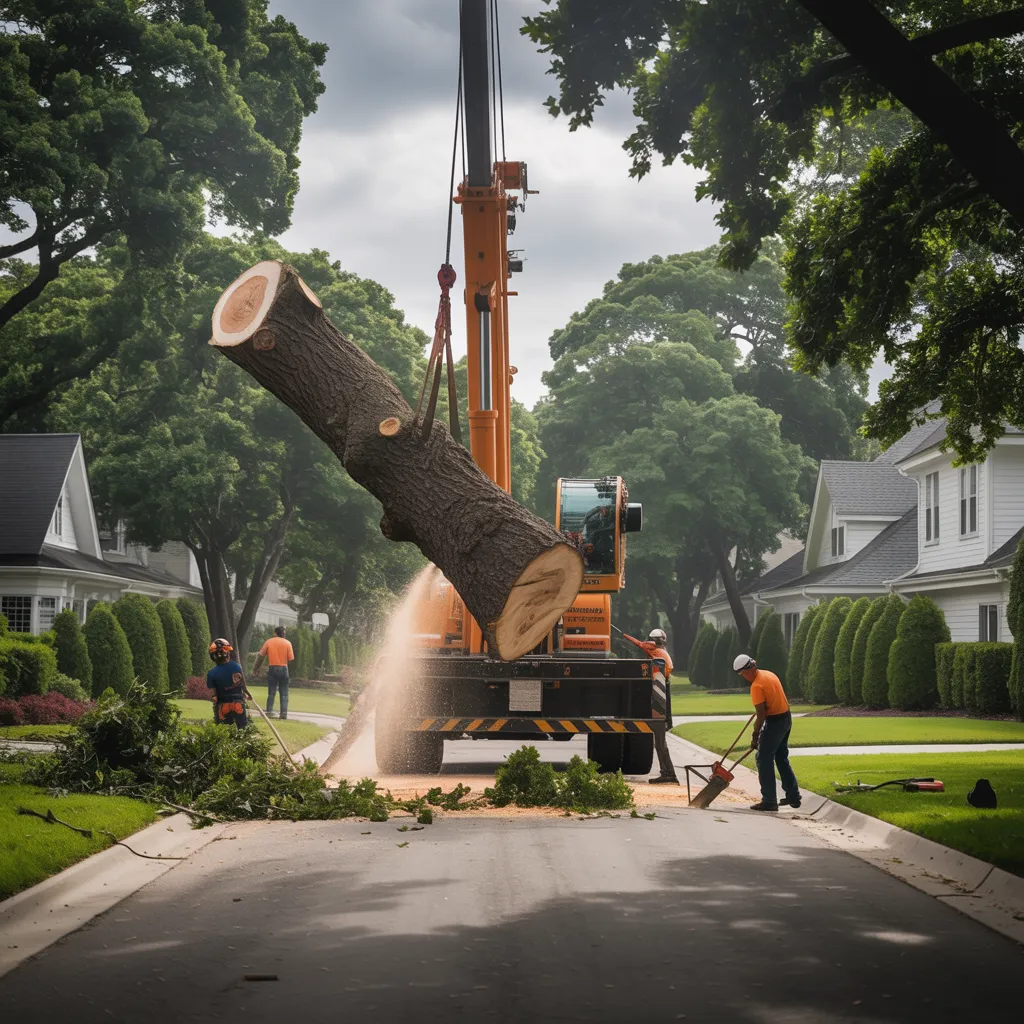
Defining a Certified Arborist and Why You Ought to Have One
What identifies a certified arborist, and why is their expertise vital for tree care? A certified arborist is a expert who has completed thorough preparation and assessment in tree biology, care, and management. They possess a deep knowledge of tree species, growth patterns, and diseases, permitting them to make sound decisions about tree health and maintenance. Certification from a recognized organization, such as the International Society of Arboriculture, assures that these professionals follow to industry standards and best practices.
The requirement for qualified tree specialists stems from the intricacy of arboricultural maintenance. Trees are vital to natural environments, providing advantages such as shade, shelter for wildlife, and atmospheric purification. Inadequate maintenance can result in damage or deterioration, affecting both the trees and the adjacent landscape. By working with a certified arborist, individuals and businesses can ensure that their trees get expert attention, enhancing lasting durability and vitality while reducing hazards linked to arboricultural practices.
Core Solutions Offered by Qualified Arborists
Certified arborists supply a range of important services fundamental for maintaining tree health and well-being. Two primary services feature expert tree pruning techniques, which improve growth and structural integrity, and effective pest management strategies that shield trees from harmful pest invasions. These services are essential for preserving the ecological equilibrium and ensuring the durability of trees in various landscapes.
Tree Trimming Methods
Tree pruning techniques are effective and applicable information play an important role in maintaining both the health and beauty of trees. Certified arborists use various methods to ensure optimal growth and lifespan. Thinning consists of selectively removing branches to enhance air flow and light exposure, thereby strengthening overall tree health. Crown reduction lowers the height and spread of trees while preserving their form, which is important for urban areas. Deadwooding removes dead or diseased branches to prevent decay and infestations by pests. Furthermore, shaping supports a natural shape, enhancing visual attractiveness. Each method requires an understanding of tree biology and growth habits, guaranteeing that pruning benefits rather than injures the tree. These professional practices significantly contribute to healthier landscapes and longer tree life.
Professional Insect Control Plans
Pest management tactics are essential for preserving the health of trees and landscapes. Qualified arborists employ a assortment of strategies to identify, supervise, and suppress pest populations productively. These tactics often begin with a thorough assessment of the environment, giving arborists to verify the presence of harmful pests and assess tree health. Integrated Pest Management (IPM) is a widespread approach, integrating biological, cultural, and chemical methods to minimize damage while encouraging ecological balance. Additionally, arborists teach property owners on preventative measures, such as proper watering, mulching, and tree selection. Regular monitoring and early intervention are critical components, confirming that pest issues are addressed before they escalate. This proactive management nurtures healthier trees and contributes to vibrant landscapes.
What Makes Tree Health Assessments Vital?
While numerous homeowners value the aesthetic charm and environmental benefits of trees, understanding the importance of tree health assessments is essential for maintaining their vigor. Tree health assessments deliver a thorough analysis of a tree's status, identifying potential dangers and hidden complications that may not be readily visible. These assessments allow arborists to detect diseases, pest invasions, and structural deficiencies early, facilitating timely intervention.
Consistent inspections can also inform correct maintenance approaches, ensuring that trees obtain proper nutrients, water, and pruning. In addition, vigorous trees aid in enhanced air quality, increased property value, and expanded biodiversity. By emphasizing tree health assessments, homeowners can make well-informed decisions that foster the longevity and resilience of their landscapes. In the end, these proactive measures not only safeguard individual trees but also support the overall health of the ecosystem, benefiting both the property and the community at large.
Determining the Best Arborist That Works for You
When selecting an tree care specialist, homeowners should consider various elements to ensure they obtain high-quality arboricultural services. First, checking qualifications is essential; certified arborists possess the training and expertise needed for effective tree care. Homeowners should also evaluate the arborist's background and specialization, especially in areas pertinent to their particular vegetation and yard.
Moreover, gathering references and reading reviews can give insight into the arborist's reputation and reliability. Openness in pricing structures and service options is essential; a reputable arborist will supply clear estimates and communicate necessary treatments.
An significant aspect is the tools and methods utilized, since state-of-the-art equipment and strategies can considerably impact tree well-being. In conclusion, examining the arborist's communication abilities can make certain that homeowners feel knowledgeable and confident throughout the process. By reflecting on these factors, homeowners can reach informed choices that generate healthier trees and landscapes.
Pruning Practices From Expert Arborists
Pruning plays a crucial role in maintaining tree health and visually appealing. Certified arborists apply multiple techniques to achieve successful pruning results, which facilitates growth and prevents disease. Understanding these approaches can enable homeowners to value the advantages of skilled arboricultural work.
Importance Of Pruning
Successful tree care copyrights on the expert application of cutting methods, as certified arborists understand the vital role this approach plays in preserving tree health. Trimming not only enhances the aesthetic quality of trees but also supports healthier growth by letting sunlight and air to penetrate the canopy. It removes dead or diseased branches, halting the spread of pests and diseases, which can jeopardize the overall health of the tree. Additionally, strategic trimming improves structural integrity, reducing the risk of branch failure during storms. By developing better shape and balance, arborists assure trees can thrive in their environment, ultimately supporting to a healthier landscape. Therefore, the importance of pruning must not be overlooked in any thorough tree care program.
Methods For Effective Pruning
Mastering pruning techniques is crucial for certified arborists seeking to improve tree health and aesthetics. Among the most efficient methods is the selective pruning, which removes select branches to improve light penetration and air circulation. The heading cut, on the other hand, encourages new growth by decreasing the height of a tree. Additionally, the reduction cut reduces tree size while preserving its shape and structure. Arborists stress the significance of timing, advocating for pruning during dormancy to minimize stress on the tree. Proper tools, such as sharp shears and saws, ensure clean cuts, reducing the risk of disease. Ultimately, utilizing these techniques promotes robust tree development and improves the overall landscape.
Year-Round Tree Care From Certified Arborists
Providing steady tree care all year long is critical to sustaining the health and strength of trees. Certified arborists play a vital role in this ongoing effort, delivering specialized services adapted to the specific needs of trees in each season. During spring, they assess tree growth and implement fertilization plans to increase vitality. Summer requires arborists to survey for pests and diseases, assuring timely intervention to minimize risks. Come fall, their focus is on pruning dead or diseased limbs, which boosts air circulation and light penetration. Winter inspections help in preparing trees for severe weather, emphasizing structural integrity. Certified arborists also supply valuable advice all year on watering, mulching, and other care practices, promoting a holistic approach to tree health. This comprehensive care protects that trees thrive, contributing to the overall appeal and resilience of landscapes.
Long-Term Benefits from Skilled Tree Services
Professional tree care brings substantial long-term advantages that exceed immediate decorative improvements. Engaging certified arborists ensures that trees receive expert reviews, appropriate pruning, and health monitoring, which lead to their vitality and longevity. Healthy trees not only increase property value but also enhance air quality and supply shade, reducing energy costs.
Investing in professional care minimizes the risks connected to pest infestations and diseases, ultimately cutting maintenance costs over time. Moreover, properly preserved trees are less likely to suffer from storm damage, guarding both property and surrounding landscapes.
In urban locations, trees aid in biodiversity and furnish habitats for wildlife. By strengthening a thriving ecosystem, professional tree care supports environmental sustainability. Overall, the sustained benefits of expert tree management are multifaceted, enriching both personal spaces and the broader community, making it a sound investment for property owners.
Often Raised Questions
What Is the Typical Cost of Qualified Tree Expert Offerings?
Professional arborist work usually fall between $75 to $1,500, based on factors including tree size, service type, and location. Homeowners should request various estimates to confirm fair rates for needed tree care.
Are Qualified Certified Arborists Insured and Legally Authorized?
Professional arborists must usually be both appropriately licensed and fully covered by insurance. This verifies that they copyright industry standards and regulations, granting clients with security regarding the professionalism and care of their services.
What Certifications Do Certified Arborists Secure?
Certified arborists generally earn a diploma in forestry, horticulture, or a related field. They must complete an test and sustain continuing education, ensuring they retain recent knowledge and skills in tree preservation.
How regularly Should Trees Be analyzed by an Arborist?
Trees need to be analyzed by an arborist every 3 to 5 years, or more often if signs of stress, disease, or damage occur. Regular assessments ensure ideal health and protection within the landscaped space.
Will Licensed Tree Professionals Aid in Pest Mitigation?
Certified arborists can certainly assist with pest management. They evaluate tree health, recognize pest issues, and recommend appropriate treatments, ensuring trees remain healthy and strong against infestations while encouraging overall landscape robustness and sustainability.